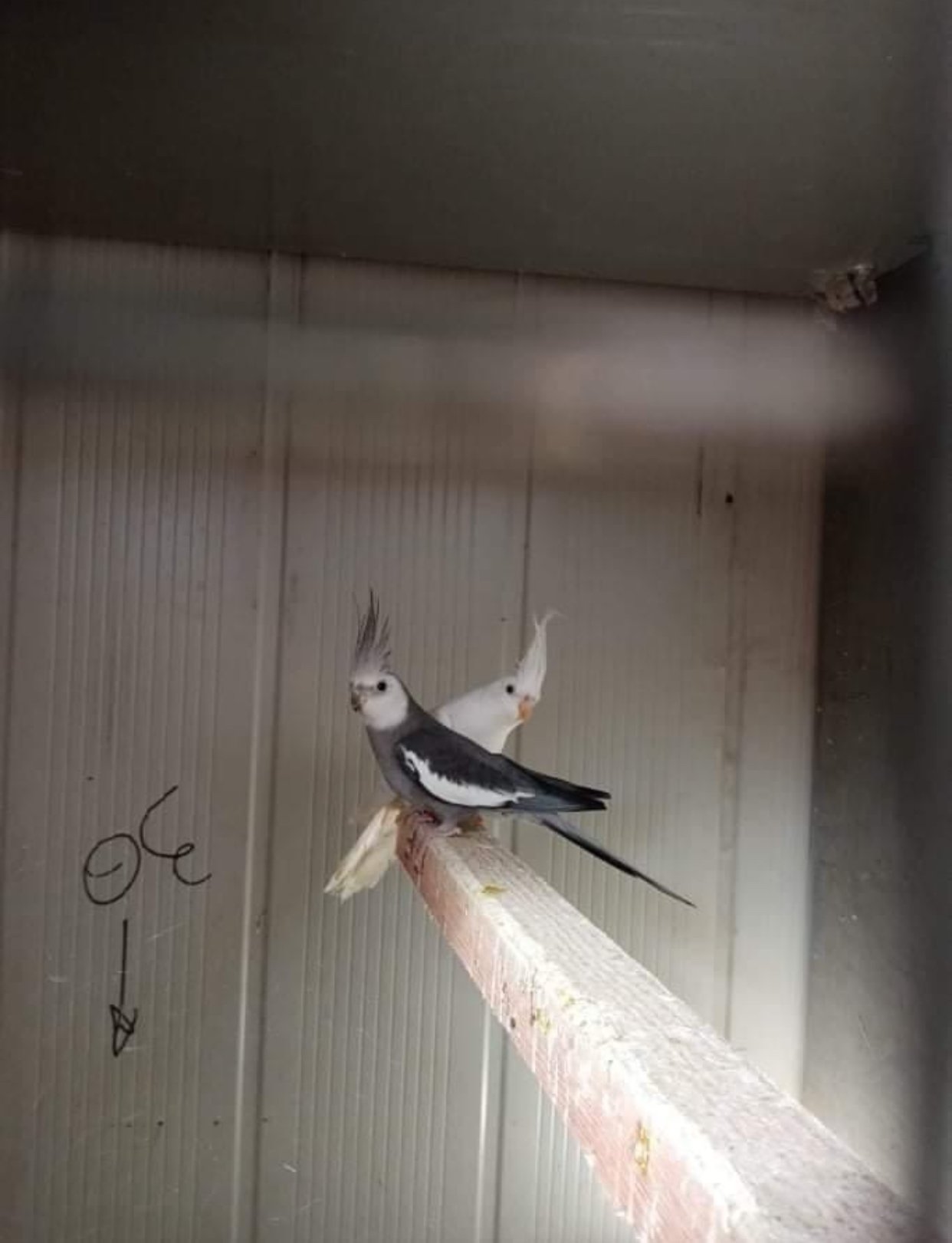
cockatiels Emerald Green Cockatiel for Sale – Friendly, Beautiful Companion Birds
cockatiels | Are you looking for a beautiful, friendly cockatiel to welcome into your home? Meet our Emerald Green Cockatiel, an attractive bird for anyone who enjoys the charm, personality, and companionship of small parrots.
Cockatiels are popular because they are intelligent, social, and often develop strong bonds with their owners. They enjoy whistling, exploring toys, and spending time with their families. With patience and daily care, a cockatiel can become a wonderful companion.
At SA Parrots, we want buyers to choose a bird that suits their home and lifestyle. If you are interested in an Emerald Green Cockatiel for sale, contact us to confirm current availability, age, colour, and any available sexing documentation.
Price: $295 per bird, based on the price provided. Please confirm the current price and availability before ordering.
Why Choose a Cockatiel?
Cockatiels are small parrots with plenty of personality. They are known for their expressive crests, charming whistles, and curious nature.
Here are some reasons people love keeping cockatiels:
- Friendly personalities: With gentle handling, they can learn to feel comfortable around their caregivers.
- Whistling and sounds: Many cockatiels enjoy whistling and may learn to imitate familiar sounds.
- Manageable size: They need less space than large parrots, although they still require a roomy cage and daily exercise.
- Playful behaviour: Toys, climbing opportunities, and supervised exploration help keep them active.
- Long-term companionship: Cockatiels can live for many years with appropriate nutrition and care.
Every bird is different. Some are naturally confident and social, while others need more time to become comfortable with people. Cockatiels can also call loudly at times, so they should not be described as completely silent pets.
Emerald Green Cockatiel: Bird Details
- Bird type: Cockatiel
- Scientific name: Nymphicus hollandicus
- Price: $295 each, as provided
- Age options listed: Baby, 3–6 months; juvenile, 7–11 months; adult, 12–18 months
- Colours: Confirm the specific bird’s actual colour and mutation before purchase
- Average adult length: Approximately 30–33 cm, including the tail
- Typical weight: Around 70–120 grams, with individual variation
- Natural range: Australia
- Personality: Social, curious, playful, and often vocal
- Typical lifespan: Often 15–20 years or longer with good care
Please note: “Emerald Green” is not a standard wild-type cockatiel colour description. Ask the seller to confirm the bird’s exact mutation and provide current photographs before purchasing.
Types of Cockatiels and Their Colours
Cockatiels come in several colour mutations. Depending on the bird, you may see differences in feather colour, facial markings, and tail patterns.
Common mutations include:
- Grey Cockatiel: The familiar grey body, often with orange cheek patches.
- Whiteface Cockatiel: Lacks the typical orange cheek patches and yellow facial colouring.
- Lutino Cockatiel: Usually has pale yellow or white plumage with red or pinkish eyes.
- Pied Cockatiel: Shows irregular patches of different feather colours.
- Pearl Cockatiel: Has a distinctive pattern across the feathers.
- Cinnamon Cockatiel: Displays softer brown or cinnamon tones.
If you are specifically looking for an Emerald Green Cockatiel, ask for confirmation of the bird’s colour mutation. Photos and accurate identification help ensure you know which bird you are buying.
Cockatiel Personality and Behaviour
Cockatiels are curious birds that enjoy being part of their surroundings. They may whistle when they hear familiar sounds, explore new toys, or perch near their favourite person.
They are generally smaller and easier to house than large parrots, but they still need daily attention. A bored or lonely cockatiel may call frequently, become fearful, or develop unwanted behaviours.
Build trust slowly with calm movements, gentle interaction, and positive reinforcement. Never force a bird to step onto your hand or accept handling before it feels comfortable.
How to Care for Your Cockatiel
Choose a Spacious Cage
Select a cage that allows your cockatiel to spread its wings fully, climb, and move between perches. Horizontal space is especially useful. Bar spacing must be narrow enough to prevent the bird from getting its head stuck.
Place the cage in a safe, social area of your home, away from kitchen fumes, smoke, drafts, and extreme temperatures.
Provide Daily Exercise
Cockatiels benefit from supervised time outside their cage in a bird-safe room. Close windows and doors, switch off ceiling fans, cover or mark large glass surfaces, and keep other pets safely separated.
Allow your bird to climb, flap its wings, explore, and play. The amount of exercise should suit the individual bird and its health.
Keep Food and Water Fresh
Provide fresh drinking water every day and clean food and water bowls regularly. Remove spoiled fresh food promptly.
A clean environment helps reduce the risk of illness. Check the cage, perches, and toys often for damage or dirt.
Offer Safe Toys and Enrichment
Cockatiels enjoy shredding, chewing, climbing, and foraging. Provide bird-safe toys and rotate them to keep your bird interested.
Avoid toys with loose threads, small detachable parts, or materials that could trap toes or be swallowed.
Cockatiel Diet and Nutrition
A balanced diet supports your cockatiel’s feathers, energy, and overall health.
A suitable feeding plan commonly includes:
- Formulated pellets: An appropriate cockatiel pellet can form the foundation of the diet.
- Fresh vegetables: Offer a variety of bird-safe vegetables, such as leafy greens and carrots.
- Fruit: Provide suitable fruit in modest portions.
- Seeds: Use measured amounts, as an all-seed diet can be nutritionally unbalanced.
- Fresh water: Keep clean drinking water available at all times.
Cuttlebone may be useful for some birds, but calcium and vitamin supplements should not be added routinely without advice from an avian veterinarian. Excessive supplementation can be harmful.
Never feed avocado, chocolate, caffeine, alcohol, or heavily salted foods.
How to Tell Male and Female Cockatiels Apart
Male and female cockatiels can look similar, depending on their age and colour mutation. This can make visual sex identification difficult, especially in young birds.
In some colour types, adult males develop brighter facial colouring and lose certain markings beneath the tail and wings. Females may retain barring or spotting. However, these differences are not reliable for every mutation or every individual.
Personality and vocal behaviour are also not dependable ways to confirm a bird’s sex.
If you need to know whether your cockatiel is male or female, ask about DNA sexing and confirm whether a laboratory certificate is available for the specific bird. Do not assume DNA testing is included unless the seller confirms it.
How Much Does an Emerald Green Cockatiels Cost?
The listed price for an Emerald Green Cockatiel is $295 each. Prices may vary depending on the bird’s age, colour mutation, sexing documentation, and current availability.
Before placing an order, confirm:
- The final price and currency.
- The bird’s exact age and colour mutation.
- Whether the bird is fully weaned and eating independently.
- Whether DNA sexing or veterinary records are available.
- Any delivery costs or required transport documents.
A good purchase should include clear information about the bird and its care needs, not just a price.
Important Things to Know Before Buying
Cockatiels are small and curious, so they need a safe environment. An open door or window can allow a bird to escape, and a bird on the floor can easily be stepped on.
Before bringing your cockatiel home, prepare its cage, food, water, perches, and toys. Identify an avian veterinarian in your area so you know where to seek help if needed.
If you already keep other birds, introduce a new cockatiel carefully. A separate quarantine period and veterinary advice may be appropriate before allowing birds to share space.
Frequently Asked Questions
Are cockatiels good pets for families?
They can be lovely companions for families that handle them gently and supervise interactions. Young children should never be left unsupervised with a bird.
Are cockatiels quiet?
Cockatiels are often quieter than large parrots, but they still whistle and call. Noise levels vary between individual birds.
How long do cockatiels live?
Many cockatiels live around 15–20 years or longer with suitable care, so prospective owners should be prepared for a long-term commitment.
Can I choose the age of my cockatiel?
The listed age ranges are babies from 3–6 months, juveniles from 7–11 months, and adults from 12–18 months. Confirm which ages are currently available before ordering.
Can I choose a male or female cockatiels ?
Ask the seller whether DNA sexing is available for the individual bird. Visual identification may not be reliable for all colour mutations.
Enquire About an Emerald Green Cockatiels
Ready to welcome a cockatiel into your home? Take the time to choose a bird that matches your lifestyle and prepare a safe, comfortable environment before bringing it home.
Contact SA Parrots to ask about current cockatiel listings, the Emerald Green colour description, age options, price, and available documentation.
Get in touch today to discuss your requirements and find out whether an Emerald Green Cockatiel is available.


Reviews
There are no reviews yet.